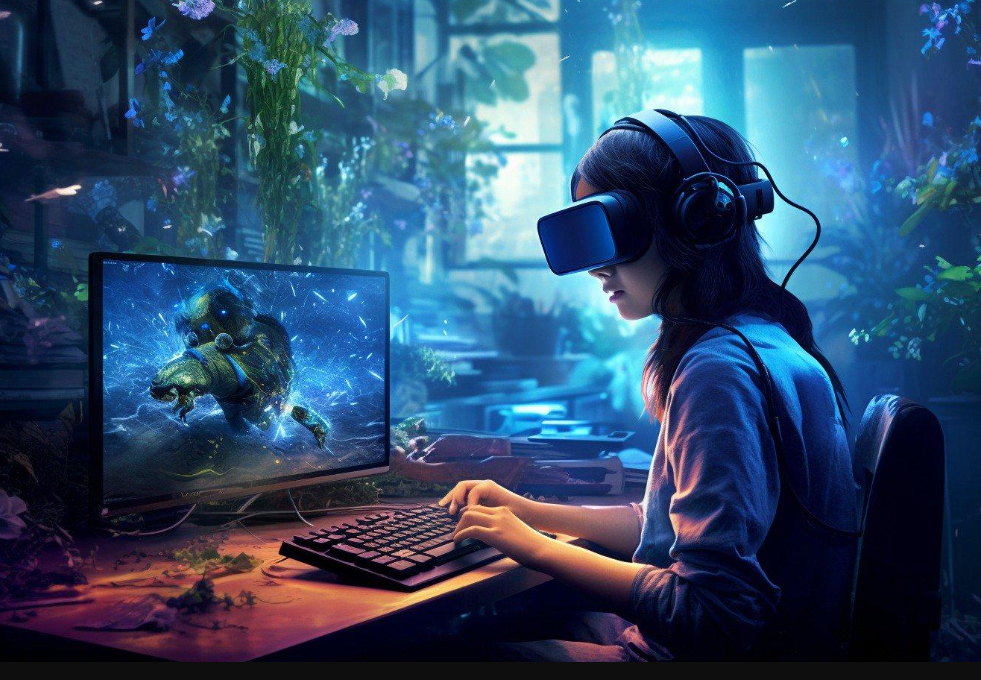
Artificial Intelligence is reshaping the landscape of game design in profound ways. It enhances the realism of non-player characters, allowing for more lifelike interactions. Furthermore, AI tailors gameplay experiences to individual players, creating unique narratives. As game worlds grow increasingly dynamic, the implications of AI extend beyond mere aesthetics. This evolution prompts a critical examination of how these technologies influence player engagement and the future of interactive entertainment. What lies ahead in this transformative journey?
Enhancing NPC Realism With AI
As game developers increasingly seek to create immersive worlds, the use of artificial intelligence (AI) to enhance the realism of non-player characters (NPCs) has emerged as a pivotal innovation.
By incorporating adaptive dialogue systems, NPCs can respond dynamically to players’ actions, fostering genuine emotional responses.
This evolution not only enriches gameplay but also empowers players, granting them the freedom to engage in more authentic interactions.
See also: The Evolution of Video Games: From Pong to Photorealism
Personalized Gameplay Experiences
How might the integration of artificial intelligence revolutionize the way players experience video games?
By leveraging adaptive storytelling, AI crafts narratives that dynamically respond to player preferences, creating a personalized journey.
This tailored approach allows gamers to engage deeply, feeling their choices resonate throughout the gameplay.
As a result, the essence of freedom in exploration and decision-making flourishes, redefining interactive entertainment.
Dynamic Content Generation
While traditional game design often relies on static content, dynamic content generation powered by artificial intelligence introduces a transformative approach that adapts to player actions and preferences.
This innovation facilitates procedural storytelling and creates adaptive environments, enriching the gameplay experience. Players encounter unique narratives and settings tailored to their choices, fostering a sense of freedom and immersion that static designs simply cannot achieve.
Analyzing Player Behavior and Engagement
Understanding player behavior and engagement has become a pivotal focus in game design, driven by the capabilities of artificial intelligence.
Conclusion
In the evolving tapestry of game design, artificial intelligence serves as both the weaver and the loom, intricately crafting immersive experiences that captivate players. By enhancing NPC realism, personalizing gameplay, and dynamically generating content, AI breathes life into virtual realms, making them not just games, but living narratives. As designers harness this powerful tool, the future of interactive entertainment unfolds like an ever-expanding universe, inviting players to explore uncharted territories of engagement and creativity.